


Server and community operations
Lusitania Network
A Portuguese Minecraft server and community I founded, funded and ran for fifteen months, from the physical machine under the desk to the moderation team, the game modes and the money. I was sixteen when it started, and it taught me more about operations than anything since.
What it was
Lusitania Network was a Portuguese Minecraft server and community running 12 game modes. It began as a gaming project and turned into an operations one: real players online at the same time, a machine that had to stay up, moderators who needed backing, and decisions about fairness that people noticed immediately when I got them wrong.
Impact
75+
concurrent players at peak
12
game modes
12,000+
followers across Twitch, TikTok and YouTube
850,000+
total content views
Ubuntu + Pterodactyl
physical server infrastructure
My role
I founded, funded, built, operated and led the project. That meant buying and setting up the physical server, installing the server stack, coordinating collaborators, selecting moderators, handling live operations and making decisions around game modes, events, content and monetisation.
Infrastructure
- Built and ran the physical server infrastructure.
- Installed Ubuntu and Pterodactyl Panel for server management.
- Managed plugins, game modes, server resources and live operations.
- Handled reliability and operational issues when players were online.
Product and community decisions
- Prioritised game modes and events based on player demand and technical complexity.
- Balanced community requests with server capacity and maintenance effort.
- Selected moderators and coordinated Discord/community operations.
- Used player feedback to adjust the experience and operational trade-offs.
Content and growth
Alongside the server I built a gaming content presence across TikTok, YouTube and Twitch, which is how most players found us. It reached 12,000+ followers and 850,000+ total views. To be precise about what that number is: it covers the whole creator presence, not only videos about Lusitania Network.
Monetisation
The server paid for itself through in-game ranks and perks. The constraint was that anything genuinely worth buying tends to be the thing that ruins the game for everyone who does not, so every perk had to earn its place without tipping into pay-to-win. Getting that wrong costs you the community, and the community was the product.
Evidence
Selected screenshots and records that support the public claims used on this page.
Lusitania Network banner
Brand/banner asset used for the server community.
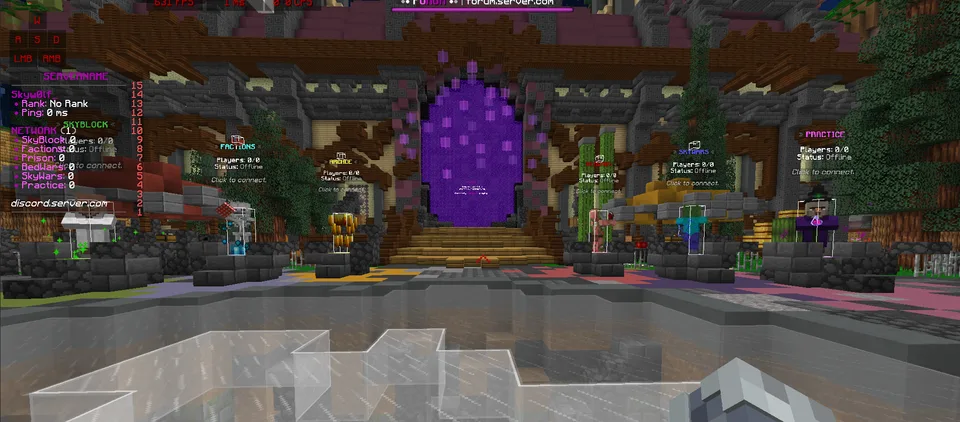
Server lobby
In-game lobby showing multiple server modes and navigation.

76 players online
Minecraft server list screenshot documenting 76 concurrent players.
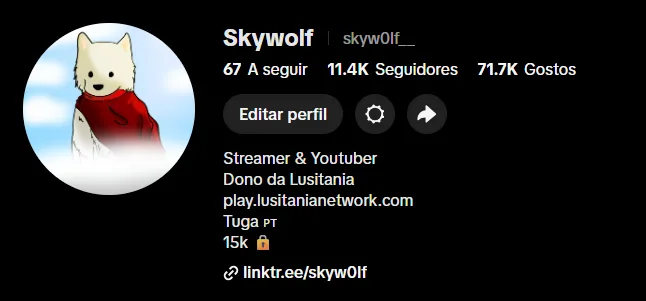
TikTok audience
TikTok profile evidence for the gaming/content presence.
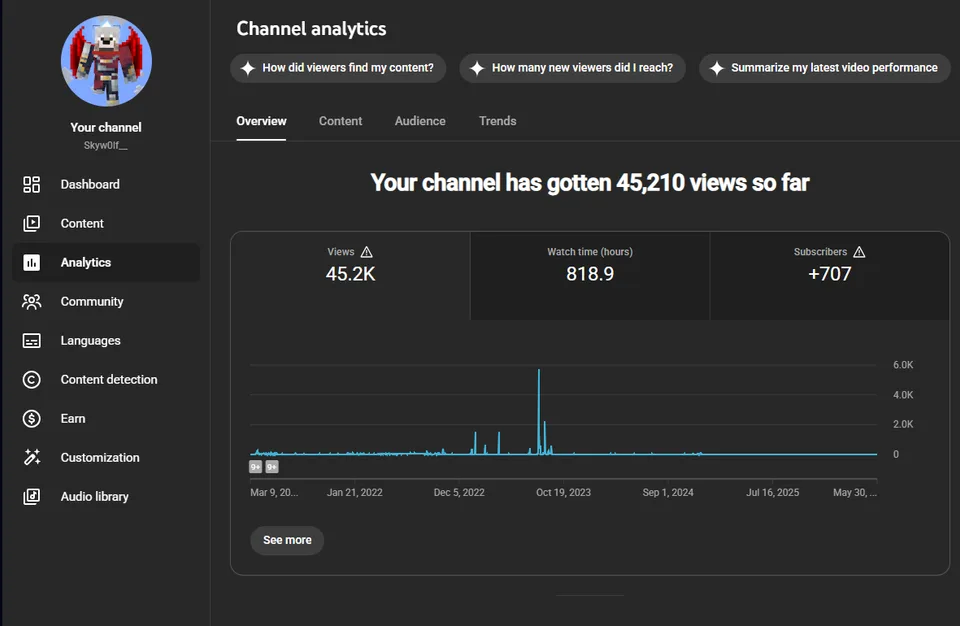
YouTube analytics
YouTube analytics screenshot supporting the wider content-view claim.
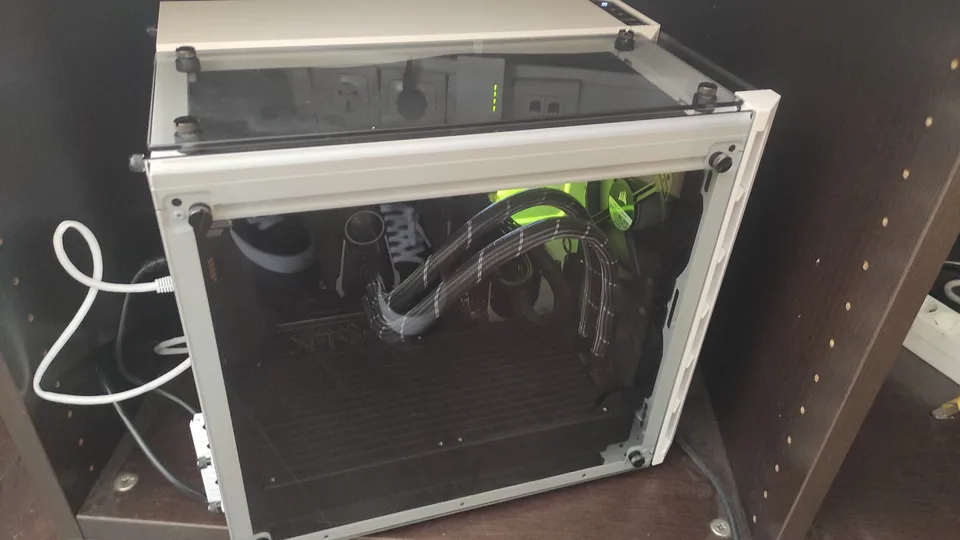
Physical server
Physical machine used as part of the server infrastructure.
What I learned
- When people are online right now, feedback loops are measured in minutes and priorities have to be obvious.
- Uptime, moderation and fairness bought more goodwill than any new game mode.
- Server capacity is a product constraint. What you can run decides what you can offer.
- Growth, trust, revenue and maintenance pull against each other, and you cannot maximise all four.